Contents
Surgical vs. Non-Surgical Treatment for Lisfranc Injury
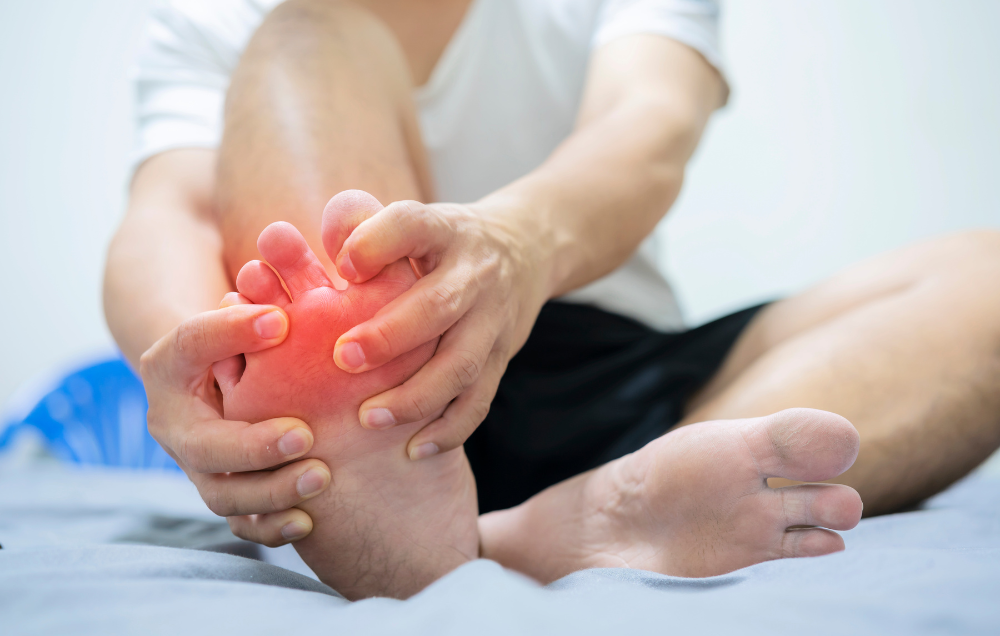
Lisfranc injuries, often resulting from trauma to the midfoot, can significantly impact an individual’s mobility and quality of life. As awareness of these injuries increases, so too does the need for a comprehensive understanding of the available treatment options. This blog post explores the critical differences between surgical and non-surgical treatment for Lisfranc injury, providing valuable insights for patients and their families. By examining the benefits and drawbacks of each approach, we aim to equip readers with the knowledge necessary to make informed decisions regarding their treatment for Lisfranc injury.
A Lisfranc injury, which affects the midfoot ligaments and bones, can range from mild sprains to severe fractures requiring surgical intervention. Understanding the differences between surgical and non-surgical treatment for Lisfranc injury occurrences is crucial for achieving optimal recovery and preventing long-term complications.
Understanding the Severity of a Lisfranc Injury
Lisfranc injuries can be complex and vary in severity. They can occur due to direct trauma, such as a fall or an automobile accident, or through indirect causes like twisting the foot while playing sports. Proper diagnosis, often involving X-rays, MRIs, or CT scans, is essential in determining the best course of treatment.
Non-Surgical Treatment for Lisfranc Injuries
For mild Lisfranc injuries where the ligaments are sprained but the bones remain stable, a non-surgical approach may be recommended:
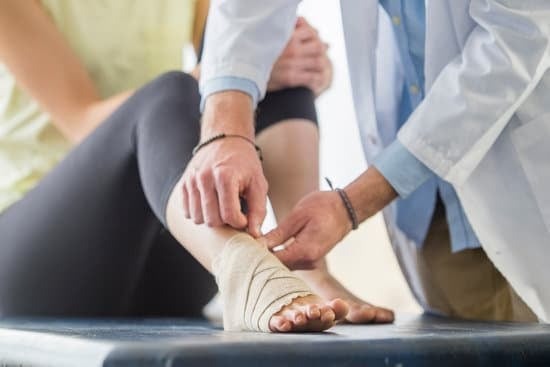
- Immobilization: Patients are often placed in a cast or walking boot for 6-8 weeks to allow healing.
- Non-Weight Bearing: Crutches or knee scooters are used to prevent pressure on the injured foot.
- Physical Therapy: After the initial healing phase, targeted rehabilitation for midfoot injuries can restore strength, mobility, and balance.
- Gradual Return to Activity: Athletes and active individuals can slowly reintroduce movement under medical supervision.
While non-surgical treatment can be effective, it requires close monitoring to ensure the bones remain in proper alignment. Regular follow-up imaging may be necessary to track progress.
When Surgery is Necessary
Severe Lisfranc injuries involving fractures, dislocations, or complete ligament tears typically require surgical intervention. Surgery may involve:
- Internal Fixation: Screws or plates are used to stabilize the bones during healing.
- Fusion Surgery: In cases of severe damage, fusing the affected joints may be necessary to eliminate pain and instability.
- Post-Surgical Rehabilitation: After surgery, a structured recovery program for foot injuries is essential to restore function and mobility.
Recovery Timelines: Surgical vs. Non-Surgical Approaches
- Non-Surgical Recovery: Typically takes 3-4 months, with physical therapy aiding in strengthening and flexibility.
- Surgical Recovery: This can take 6-12 months, depending on the severity of the injury and adherence to rehabilitation.
Potential Complications and Long-Term Outlook
While many individuals recover fully from a Lisfranc injury, improper treatment or premature return to activity can lead to complications, such as:
- Chronic Pain: Lingering pain in the midfoot due to ligament instability.
- Post-Traumatic Arthritis: Increased risk of arthritis in the affected joints.
- Re-Injury: Increased vulnerability if the foot is not adequately strengthened before returning to activity.
The Role of Physical Therapy in Treatment for Lisfranc Injury & Recovery
Regardless of treatment type, physical therapy plays a crucial role in regaining mobility and strength. Specialists create personalized programs to enhance recovery and prevent future complications. Therapy may include:
- Manual Therapy Techniques to improve joint mobility and reduce stiffness.
- Balance and Proprioception Training are essential for preventing future injuries.
- Strength Training targeting the foot, ankle, and lower leg to support full function.
- Gait Training ensures a proper walking pattern to avoid additional stress on the foot.
If you’ve suffered a Lisfranc injury, early diagnosis and proper treatment are key to a successful recovery. Speak with your healthcare provider to determine the best approach for your specific injury, and explore how customized foot rehabilitation programs can help facilitate recovery. Here at Lattimore Physical Therapy, we are always here to talk through your options and support you in every way during your recovery journey. If you have further questions about treatment for Lisfranc injury or any other injury, reach out to us today!