Contents
What to Expect from Tommy John Surgery Recovery
Tommy John surgery, also known as ulnar collateral ligament (UCL) reconstruction, is a procedure commonly performed on athletes, particularly baseball pitchers, who have torn their UCL due to repetitive stress. The surgery involves replacing the damaged ligament in the elbow with a graft from another tendon in the body. Recovery from Tommy John surgery is a long but structured process that requires patience, commitment, and a comprehensive rehabilitation program.
Understanding the Tommy John Surgery Procedure
Tommy John surgery is named after former MLB pitcher Tommy John, who underwent the first successful UCL reconstruction in 1974. The procedure is most common among overhead-throwing athletes but can also be necessary for individuals who have suffered a traumatic UCL injury.
During the surgery:
- The damaged UCL is removed.
- A healthy tendon, typically from the forearm, hamstring, or foot, is used as a graft.
- The graft is secured in place with tunnels drilled into the bones of the elbow.
- The ligament gradually integrates into the body and strengthens over time.
Timeline for Tommy John Surgery Recovery
Recovery from Tommy John surgery typically takes 12-18 months, depending on the individual’s progress and the demands of their sport or activity.
Phase 1: Initial Healing (Weeks 1-6)
- The arm is immobilized in a brace to protect the new graft.
- Gentle range-of-motion exercises begin after a few weeks to prevent stiffness.
- Light grip and shoulder exercises are introduced to maintain muscle strength.
- Swelling and discomfort are managed with ice and anti-inflammatory medications.
Phase 2: Strengthening and Mobility (Weeks 7-16)
- Gradual strength training for the elbow, wrist, and shoulder begins.
- Physical therapy focuses on rebuilding stability and coordination.
- Progressive resistance exercises help restore muscle function.
- Athletes may begin light throwing motions under medical supervision.
Phase 3: Advanced Strength Training (Months 4-9)
- Full elbow strength and mobility are restored through targeted exercises.
- Throwing programs are introduced for athletes returning to sports.
- Progressive weight training and plyometric exercises improve power and endurance.
- Close monitoring ensures the graft is healing correctly and can withstand stress.
Phase 4: Return to Sport (Months 9-18)
- High-intensity throwing and sport-specific movements are gradually reintroduced.
- A structured return-to-play program ensures a safe comeback.
- Full competitive performance may take up to 12-18 months, depending on individual recovery.
The Role of Physical Therapy in Tommy John Recovery
Physical therapy is essential for regaining strength, mobility, and function after UCL reconstruction. A structured rehab program includes:
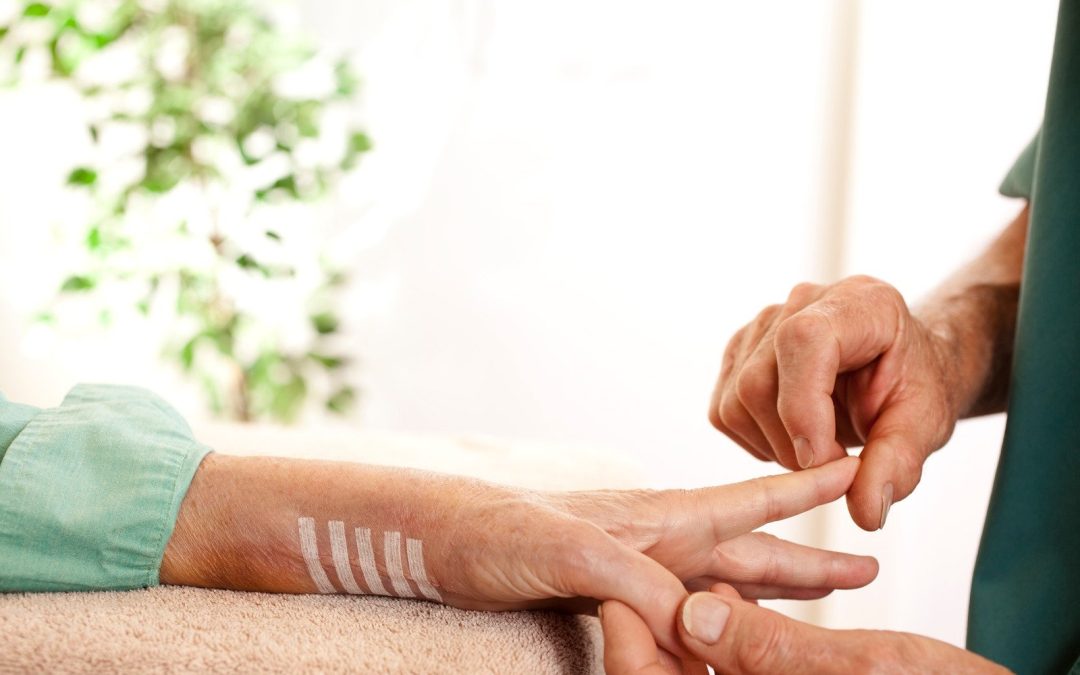
- Manual therapy techniques to reduce stiffness and improve joint mobility.
- Progressive strengthening exercises for the elbow, forearm, and shoulder.
- Biomechanical assessments to correct throwing mechanics and reduce re-injury risk.
- Sport-specific training for athletes aiming to return to peak performance.
Athletes recovering from Tommy John surgery benefit from targeted rehabilitation programs that focus on strength, endurance, and injury prevention.
When to Seek Medical Guidance
While most patients recover successfully, it’s important to consult a healthcare provider if:
- Pain persists beyond the expected healing timeline.
- The elbow feels unstable or weak during activity.
- There is persistent swelling, stiffness, or limited range of motion.
For additional medical guidance on Tommy John surgery and UCL injuries, visit the American Academy of Orthopaedic Surgeons and the Mayo Clinic.
In conclusion, the journey to Tommy John surgery recovery demands a disciplined approach and unwavering commitment. By adhering to a structured rehabilitation plan and collaborating closely with trained and knowledgeable physical therapists and sports medicine specialists, individuals can significantly enhance their prospects for a complete return to both sports and everyday activities. This comprehensive strategy not only facilitates physical healing but also fosters mental resilience, ultimately empowering athletes to regain their strength and confidence. Embracing this path ensures that the challenges faced during recovery are transformed into opportunities for growth, paving the way for a successful comeback.