Contents
How to Prevent Turf Toe Injuries in Athletes
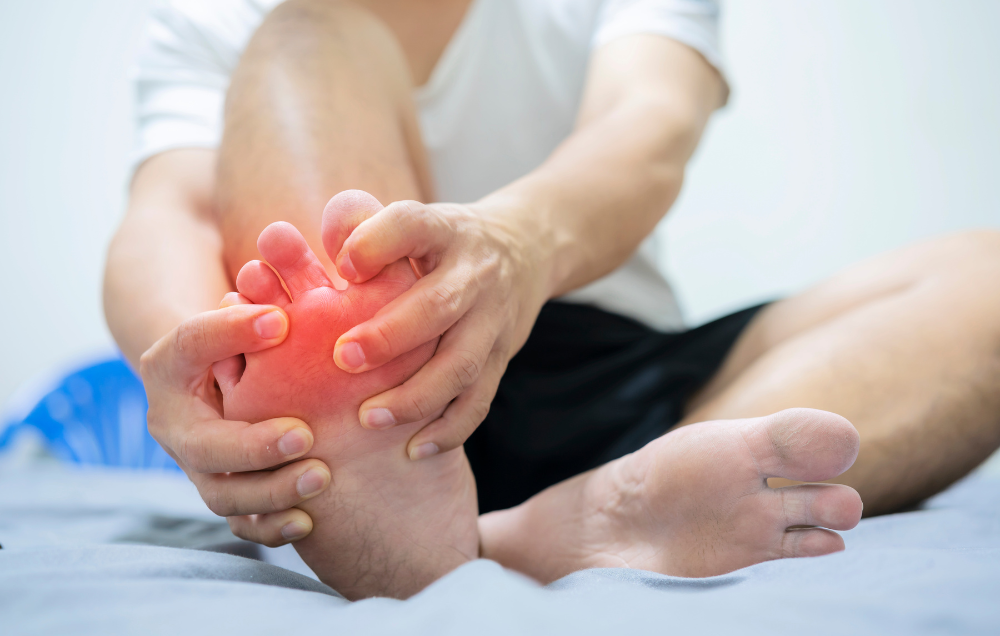
Turf toe is a common yet painful, and often overlooked injury among athletes, particularly those who play on artificial surfaces or engage in activities that require explosive foot movements. This condition, characterized by a sprain of the ligaments around the big toe joint, can lead to significant pain and discomfort, potentially sidelining athletes for extended periods. This hyperextension injury can also lead to long-term mobility issues if not properly managed. It is especially prevalent in sports like football, soccer, rugby, wrestling, and track and field, where quick pivots, sudden stops, and forceful toe flexions are common. Understanding how to prevent turf toe is crucial for both amateur and professional athletes looking to maintain optimal performance and avoid unnecessary downtime.
1. Wear Proper Footwear
Selecting the right shoes is one of the most effective ways to prevent turf toe. Choose cleats or athletic shoes with:
- Stiff Soles: Helps reduce excessive toe bending.
- Supportive Insoles: Enhances foot stability and decreases strain on the big toe joint.
- Proper Fit: Ensures comfort and prevents unnecessary foot movement inside the shoe.
Athletes should also explore specialized foot and ankle rehab services to ensure they are wearing the best gear for their sport.
2. Strengthen Your Feet and Toes
Building strength in the foot and toe muscles provides better support and reduces stress on the ligaments. Incorporate these exercises into your routine:
- Toe Curls: Use a towel or resistance band to strengthen toe flexors.
- Calf Raises: Improves foot stability and absorbs impact during movement.
- Balance Drills: Enhances proprioception and reduces the likelihood of awkward foot positioning.
For a structured strength-building program, check out strength and conditioning programs to reinforce injury prevention.
3. Improve Flexibility
Tight muscles and ligaments increase the risk of injury. Stretching exercises that focus on the foot, ankle, and lower leg can improve flexibility and mobility. Effective stretches include:
- Big Toe Stretch: Gently pull the big toe back to improve its range of motion.
- Plantar Fascia Stretch: Reduces tightness in the sole of the foot.
- Ankle Circles: Enhances mobility and reduces stiffness.
A proper stretching routine, like those highlighted in injury prevention programs, can help maintain long-term foot health.
4. Modify Training and Playing Techniques
Adjusting your approach to movement can significantly lower injury risk. Consider:
- Practicing proper landing mechanics to minimize stress on the toe.
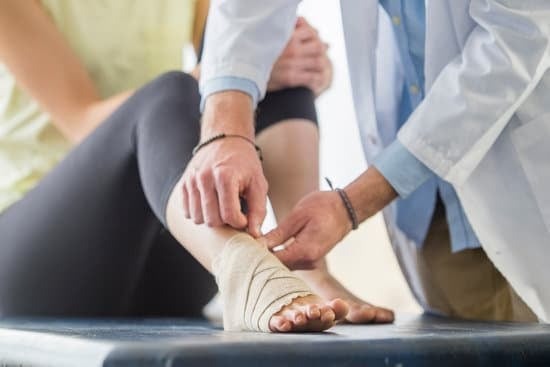
- Using athletic tape or braces to support the toe joint.
- Avoiding sudden directional changes on artificial turf surfaces.
- Ensuring proper warm-ups before intense activity to prepare the ligaments for movement.
5. How to Prevent Turf Toe and Treat It With Physical Therapy
Physical therapy is a crucial element in both the prevention and treatment of turf toe. A well-designed therapy plan can enhance strength, improve mobility, and ensure optimal biomechanics to prevent re-injury. In addition to hands-on treatment, the experienced staff at Lattimore Physical Therapy can teach you how to prevent turf toe. Specialists offer comprehensive recovery programs that include:
- Manual Therapy Techniques to reduce stiffness and improve joint function.
- Gait Analysis to identify movement patterns that may predispose athletes to injury.
- Sport-Specific Rehabilitation Programs to safely return to competition.
- Custom Orthotic Recommendations to enhance foot support and stability.
For those recovering from a turf toe injury, structured sports injury rehabilitation programs can significantly reduce downtime and facilitate a safe return to sports.
In conclusion, preventing and managing turf toe is crucial for athletes at all levels to ensure optimal performance and longevity in their sport. By wearing proper footwear, strengthening the feet and toes, improving flexibility, modifying training and playing techniques, and utilizing physical therapy for both recovery and prevention, athletes can significantly reduce their risk of this painful condition and can stay in the game without the setbacks or long-term effects of turf toe. Take proactive steps today to protect your athletic career. Schedule an appointment today with one of our knowledgeable physical therapists to discuss personalized strategies on how to prevent turf toe, how to treat it, and how to enhance your overall foot health.