Contents
Avulsion Injury Treatment: Understanding Causes & Care
An avulsion injury occurs when a tendon or ligament is forcefully pulled away from the bone, sometimes taking a small piece of bone with it. These injuries can happen due to sudden, forceful movements and are common in athletes and individuals involved in high-impact activities. If left untreated, avulsion injuries can lead to chronic pain, joint instability, and impaired mobility. Proper diagnosis and treatment are essential for a full recovery.
What Causes an Avulsion Injury?
Avulsion injuries typically result from:
- Sudden muscle contractions or excessive force during activities like sprinting, jumping, or quick directional changes.
- Trauma or accidents, such as falls or direct impact injuries.
- Overuse or repetitive stress, particularly in young athletes whose growth plates are still developing.
- Insufficient warm-ups or improper conditioning, which can make tendons and ligaments more susceptible to tearing.
- Pre-existing conditions, such as osteoporosis or chronic ligament weakness, that make bones and soft tissues more vulnerable to injury.
Common Areas for Avulsion Injuries
Avulsion injuries can occur anywhere in the body, but they are most commonly found in:
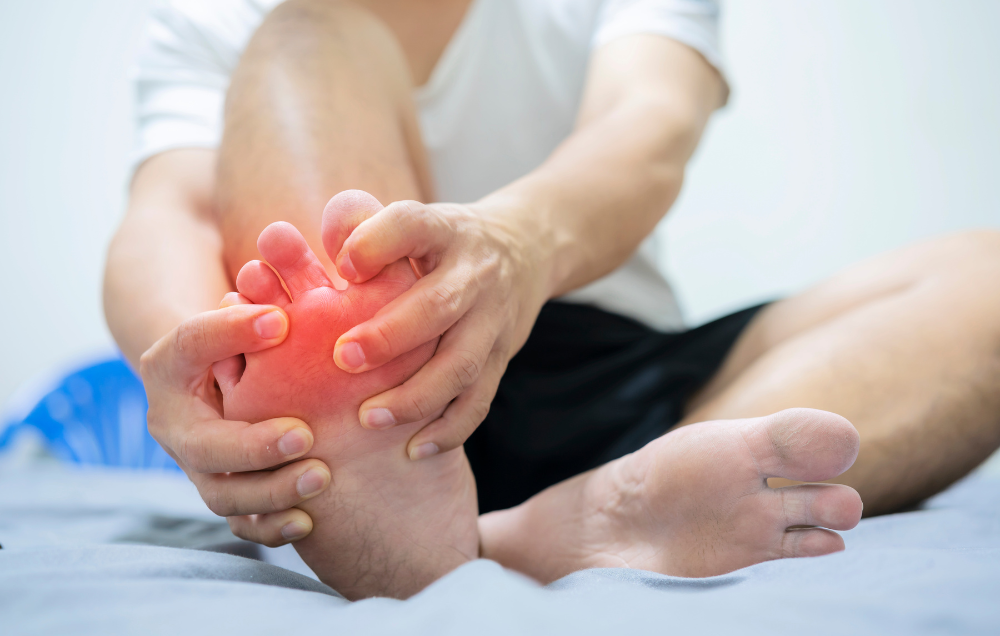
- Ankles and Feet: Common in sports that require sudden pivots, like soccer or basketball.
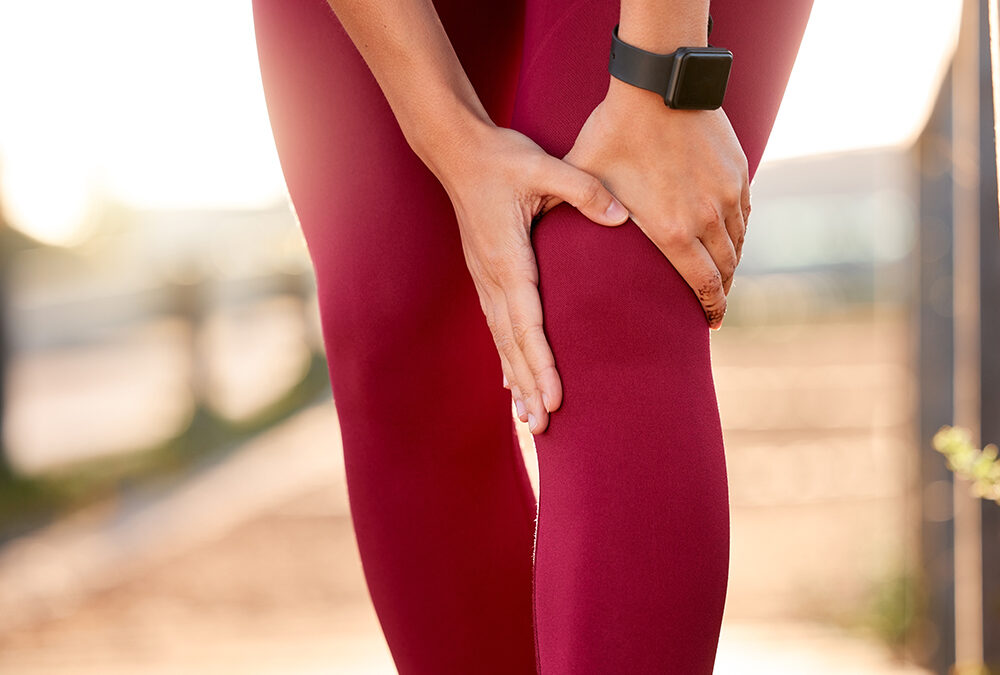
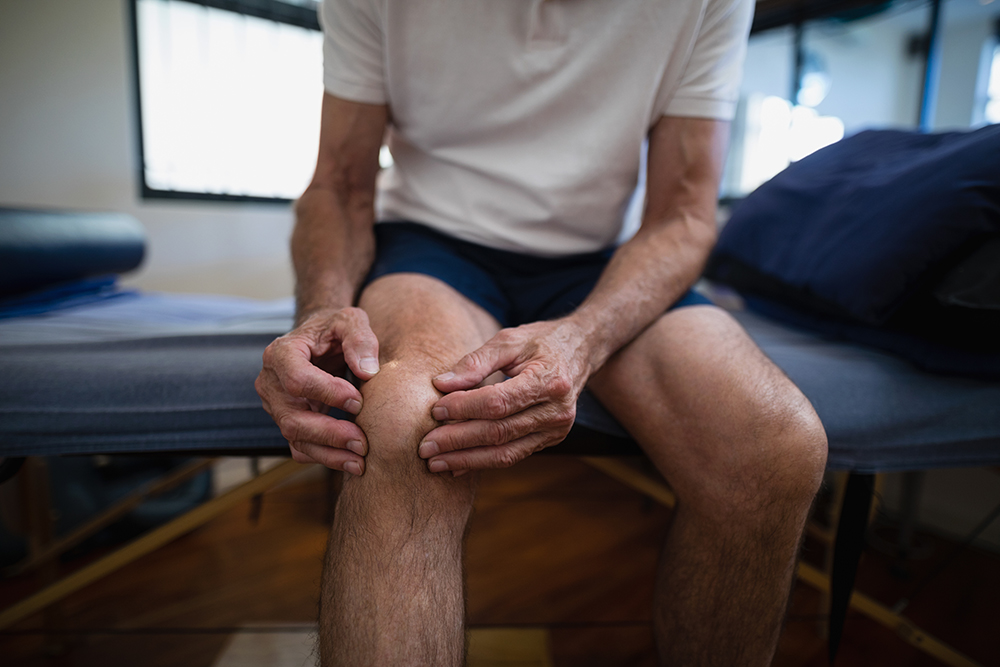
- Knees: Hamstring or quadriceps avulsions can result from explosive leg movements.
- Hips and Pelvis: Often seen in sprinters, gymnasts, or dancers due to forceful leg extensions.
- Fingers and Hands: Common in climbers and athletes who use gripping motions, leading to tendon avulsions.
- Elbows: Typically seen in throwing athletes where high-stress loads cause tendons to pull away from the bone.
Symptoms of an Avulsion Injury
- Sudden, sharp pain at the injury site
- Swelling and bruising
- Difficulty moving the affected joint
- Weakness or instability
- A noticeable lump or deformity if a bone fragment has detached
- Tenderness or sensitivity around the injured area
- Decreased strength in the associated muscles or tendons
If you experience these symptoms, seeking medical attention is essential. A professional evaluation of the injury will help determine the severity and appropriate treatment.
Diagnosis and Avulsion Injury Treatment Options
1. Non-Surgical Treatment
For minor avulsion injuries where the bone remains stable, conservative treatment may include:
- Rest and Immobilization: Using braces, casts, or splints to allow healing.
- Ice and Anti-Inflammatory Medications: To reduce swelling and pain.
- Physical Therapy: Once initial healing occurs, targeted rehabilitation exercises help restore strength and mobility.
- Gradual Activity Resumption: Patients undergo a controlled return to activity with guided movement exercises to prevent re-injury.
- Taping and Bracing: Providing extra support to protect the healing tissue during movement.
2. Surgical Intervention
Severe avulsion injuries where the bone fragment is significantly displaced may require surgery. Surgical options include:
- Reattachment of the tendon or ligament using screws or sutures.
- Bone fragment fixation to stabilize the affected area.
- Post-Surgical Rehabilitation: Physical therapy after surgery is critical to restore function and prevent future complications.
- Strength Training Programs: Designed to rebuild muscle support around the affected joint after surgery.
- Long-Term Monitoring: Follow-ups with orthopedic specialists to assess recovery and minimize long-term damage risks.
The Role of Physical Therapy in Avulsion Injury Treatment & Recovery
Physical therapy is a key component of avulsion injury recovery, whether the treatment is non-surgical or post-surgical. A structured rehabilitation program includes:
- Strengthening Exercises: To rebuild muscle function and prevent re-injury.
- Flexibility Training: To restore range of motion safely.
- Balance and Stability Drills: To improve joint function and support healing tissues.
- Progressive Return to Activity: To ensure a safe transition back to sports or daily activities.
- Personalized Rehabilitation Plans: Tailored to each patient’s needs to ensure effective recovery.
- Injury Prevention Strategies: Educating patients on proper movement techniques and warm-ups to reduce future injury risks.
By recognizing the symptoms early and following a structured treatment plan, individuals with avulsion injuries can optimize their recovery and regain full function with minimal risk of complications.