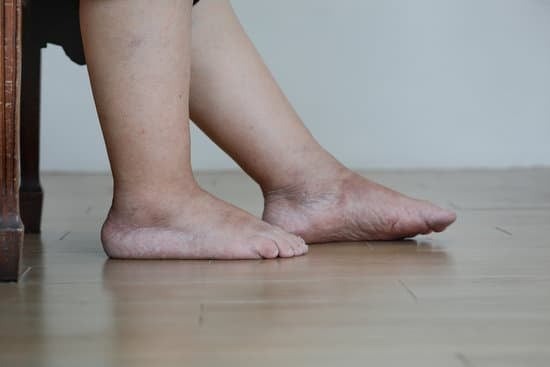
What is lumbar radiculopathy?
Lumbar radiculopathy, commonly known as sciatica, occurs when a spinal nerve root in the lower back becomes compressed or inflamed. This nerve pain radiates from the lower back to the legs and can significantly impact daily activities and overall quality of life. Medical intervention is crucial for managing symptoms, and incorporating specific lumbar radiculopathy exercises into your routine can play a vital role in alleviating discomfort and promoting recovery.
Lumbar radiculopathy can cause sharp, burning, or tingling pain, often accompanied by weakness or numbness in the limb, typically due to conditions like herniated discs, spinal stenosis, or degenerative disc disease that compress nerves. While the pain can be severe, many individuals benefit from conservative treatments like physical therapy aimed at reducing nerve compression, enhancing posture and mobility, and supporting healing through guided movement and strengthening exercises, which are crucial for both prevention and rehabilitation.
Why Exercise Matters For Nerve Pain
Movement might seem counterintuitive when you’re in pain, but gentle, targeted exercise is one of the most effective ways to reduce nerve irritation. Physical activity promotes circulation, decreases inflammation, and relieves tension in the muscles that may be contributing to nerve compression. Exercises also help improve spinal alignment and core stability, which reduces mechanical stress on the lumbar spine.
By engaging in consistent movement, you not only relieve current symptoms but also build the muscular and neuromuscular support system necessary to prevent recurrence. Exercises for sciatica and other forms of nerve-related pain must be approached with caution and proper guidance, especially if symptoms include numbness or weakness. A licensed physical therapist can help you work within a safe range and avoid exacerbating your condition.
5 Lumbar Radiculopathy Exercises For Pain Relief
Below are five exercises for sciatica that are often found in treatment plans for lumbar radiculopathy. These examples are intended for general education only. Always consult your physical therapist before trying any new exercise:
- Knee-to-chest stretch
Lie on your back with your knees bent and feet flat. Gently pull one knee toward your chest, keeping the other foot on the ground. Hold for 20–30 seconds, then switch sides. Perform 2–3 repetitions per leg.
Benefit: Opens up the lower lumbar segments and gently stretches the surrounding muscles, reducing pressure on the nerve root.
- Pelvic tilts
Start by lying on your back with knees bent and feet flat on the floor. Tighten your abdominal muscles to press your lower back into the floor, then slowly release. Aim for 10–15 repetitions.
Benefit: Strengthens the core and lower abdominal muscles, which are essential for spinal stability and support.
- Seated nerve glide
Sit upright on a firm chair with one leg extended forward and your foot flexed. Gently flex and point your foot while keeping your leg straight and posture tall. Repeat 10 times on each leg.
Benefit: Mobilizes the sciatic nerve and helps break up adhesions that can restrict nerve motion.
- Cat-cow stretch
Begin on all fours with hands under shoulders and knees under hips. Inhale as you arch your back (cow pose), then exhale as you round your spine (cat pose). Repeat for 8–10 breath cycles.
Benefit: Encourages flexibility and rhythmic spinal movement, easing muscle tension and improving segmental motion.
- Standing hamstring stretch
Stand with one foot elevated on a step or low surface. Keeping your back straight, hinge forward slightly from your hips until you feel a stretch in the back of your thigh. Hold for 20–30 seconds per side.
Benefit: Tight hamstrings can pull on the pelvis and increase lower back strain; this stretch helps alleviate that tension.
Additional Strategies to Complement Exercise
While targeted movements are central to recovery, physical therapy for lumbar radiculopathy typically includes more than just exercises. Manual therapy may be used to improve joint mobility and release tight soft tissue. Education on posture and movement mechanics is equally important. Your physical therapist may guide you in ergonomic adjustments for work, sleeping, or driving to reduce aggravation.
They’ll also provide tips on activity pacing, such as how to gradually return to walking, lifting, or recreational activities without triggering symptoms. Heat or cold therapy, breathing techniques, and gentle aerobic activity may be incorporated as well.
How Physical Therapy For Lumbar Radiculopathy Aids Recovery
Physical therapists take a holistic view of your condition. They’ll assess muscle imbalances, spinal alignment, nerve mobility, and your unique movement patterns. From there, they create a personalized care plan that evolves with your progress. Your program will likely include lower back nerve exercises to aid sciatica pain, as well as functional training, nerve pain relief stretches, and real-world strategies for lifting, bending, or transitioning from sitting to standing — all tailored to reduce nerve stress and restore comfort.
Want to learn more? Read our guide on what to expect at physical therapy for lower back pain.
When to Seek Professional Help
Mild lumbar radiculopathy symptoms may resolve with rest and gentle stretching, but if your pain persists for more than a few days, worsens, or is accompanied by numbness, weakness, or bladder/bowel changes, seek help right away. These signs could indicate more significant nerve compression that requires professional evaluation.
Schedule an appointment at a Lattimore Physical Therapy clinic near you to get started on a safe, effective plan for long-term relief.