Contents
What to Expect During the Broken Ankle Recovery Process
Recovering from a broken ankle can be a challenging journey, filled with both physical and emotional hurdles. Understanding what to expect during the broken ankle recovery process is crucial for individuals navigating this difficult time. This blog post aims to provide valuable insights into the stages of recovery, highlighting key milestones, potential setbacks, and effective strategies to promote healing. Whether you are currently experiencing a broken ankle or supporting someone who is, this comprehensive guide will equip you with the knowledge needed to manage expectations and foster a successful recovery.
A broken ankle can significantly impact daily life, requiring patience and a structured recovery plan to regain mobility and strength. Understanding the different stages of recovery can help set expectations and ensure a smooth healing process. Here’s what you need to know:
Initial Healing Phase (Weeks 1-6)
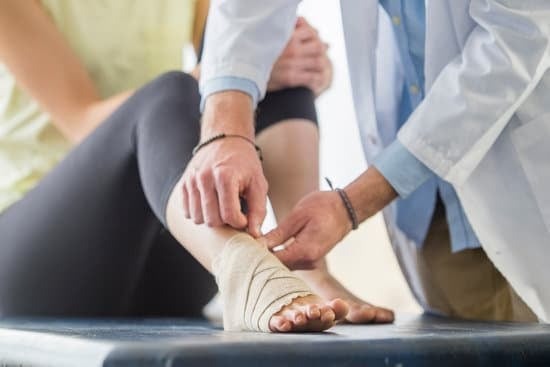
The first stage of the broken ankle recovery process emphasizes the importance of bone healing while actively working to minimize swelling in order to promote optimal recovery. During this period:
- You may need a cast, brace, or boot to immobilize the ankle.
- Weight-bearing may be restricted depending on the severity of the fracture.
- Swelling and discomfort can be managed with elevation, ice, and prescribed pain medications.
Transition to Weight-Bearing (Weeks 6-12)
During the broken ankle recovery process, your doctor will gradually permit you to engage in partial to full weight-bearing activities as the bone heals.
- Rehabilitation exercises for ankle fractures often begin to restore mobility and prevent stiffness.
- Gentle range-of-motion exercises help maintain joint flexibility.
- Crutches or a walking boot may still be necessary for support.
Strengthening and Rehabilitation (Months 3-6)
Once an individual is cleared for full weight-bearing in the broken ankle recovery process, rehabilitation efforts are primarily directed toward rebuilding strength and stability to ensure a successful return to normal activities.
- Balance and coordination training improves stability and prevents re-injury.
- Low-impact activities, such as swimming or cycling, can be introduced.
- Patients should monitor for pain or discomfort, adjusting activity levels as needed.
Full Recovery and Return to Activity (Months 6-12)
While most daily activities associated with the broken ankle recovery process can resume within six months, achieving full recovery may take up to a year.
- High-impact sports or intense activities should only be resumed with medical clearance.
- Continuing targeted physical therapy programs help maintain ankle strength and prevent re-injury.
The Role of Physical Therapy in Recovery
Physical therapy is essential for the recovery process of a broken ankle, aiding in the restoration of functionality and the prevention of lasting issues. Experts create personalized rehabilitation plans to boost movement capabilities, increase muscle strength, and facilitate a secure transition back to regular activities.
When to Seek Professional Guidance
In conclusion, the recovery process for a broken ankle unfolds in four distinct phases: the initial healing period spanning the first 6 weeks, the transition to weight-bearing activities for the next 6 weeks (weeks 6-12), the strength and rehabilitation phase occurring between months 3 through 6, and finally, the journey toward full recovery and return to regular activities over the months 6 to 12. Understanding these phases can empower individuals to navigate their recovery more effectively, fostering patience and resilience throughout the healing journey. For more information and guidance on each phase of recovery, please do not hesitate to contact us.
If pain persists, swelling increases, or mobility remains limited beyond expected recovery timelines, it’s important to seek professional care. Explore comprehensive recovery strategies to support your rehabilitation every step of the way. Recovering from a broken ankle takes time, but with the right approach and expert guidance, you can regain strength and mobility for a full return to your daily routine. We are here to help you from the start! Reach out to schedule an appointment today!