What Are Physical Therapy Specialties?
A physical therapy specialty is a focused area of clinical practice within the broader scope of physical therapy. These specialties equip physical therapists (PTs) with advanced skills and knowledge to treat complex physical therapy disorders more effectively. After earning their Doctor of Physical Therapy (DPT) degree, PTs can pursue additional training to become board-certified in a specialty or subspecialty, allowing them to better meet the specific needs of their patients.
Contents
How Physical Therapists Specialize
There are two main pathways for PTs who want to deepen their clinical expertise:
- Residency – As defined by the American Physical Therapy Association (APTA), residencies are structured post-professional programs that help PTs gain advanced clinical experience in a defined specialty. These typically last 10 to 18 months.
- Fellowship – Fellowships are more intensive programs for PTs who already hold a specialty and want to further subspecialize. Like residencies, fellowships last between 10 and 18 months and are often hosted by hospitals, universities, or large PT practices.
10 Board-Certified Physical Therapy Specialties
Board certifications are specialized qualifications that physical therapists can pursue to enhance their knowledge and expertise. There are various types of physical therapy certifications, each focusing on different areas of practice, thereby allowing professionals to demonstrate their advanced skills and commitment to the field. As of 2024, more than 40,000 physical therapists have earned board certification in one of these 10 areas:
- Cardiovascular & Pulmonary Physical Therapy
Treats patients with heart or lung conditions such as COPD, asthma, or after cardiac surgery. PTs focus on improving endurance, breathing, and mobility. - Clinical Electrophysiology
Uses electrical testing and modalities (like EMG or nerve conduction studies) to diagnose and treat neuromuscular disorders. Ideal for tech-savvy PTs interested in diagnostic tools. - Geriatric Physical Therapy
Supports older adults with balance, strength, and mobility challenges, often related to arthritis, osteoporosis or fall prevention. - Neurologic Physical Therapy
Helps patients recover from strokes, spinal cord injuries, Parkinson’s, and other neurological disorders. Focuses on restoring movement and coordination. - Oncology Physical Therapy
Aids individuals recovering from cancer treatments by reducing fatigue, improving strength, and enhancing quality of life. - Orthopaedic Physical Therapy
Treats musculoskeletal conditions like joint pain, back injuries, or post-operative rehab. This is one of the most common and versatile PT specialties. - Pediatric Physical Therapy
Works with children and teens experiencing developmental delays, genetic conditions, or sports injuries. Pediatric PTs use play-based methods to improve strength and motor function. - Sports Physical Therapy
Supports athletes of all levels in injury prevention, recovery, and performance enhancement. Often includes sideline coverage and return-to-sport programs. - Women’s Health Physical Therapy
Focuses on pelvic floor dysfunction, prenatal/postnatal care, and other female-specific health conditions. - Wound Management
Involves treating chronic or post-surgical wounds, including burns and pressure ulcers, with specialized care strategies to promote healing.
9 Subspecialties for Complex Physical Therapy Disorders
Beyond the core ten, physical therapy specialty types can be broken down further, so that PTs can subspecialize to treat even more targeted conditions:
- Critical Care PT – Helps patients in ICUs or with severe illnesses regain basic function and prevent complications like blood clots or atrophy.
- Hand Therapy – Specializes in rehab for injuries or surgeries involving the hand, wrist, or forearm, often overlapping with occupational therapy.
- Neonatal Physical Therapy – Supports premature infants or newborns with developmental delays to improve motor function from the earliest stages of life.
- Neurological Movement Disorders – Focuses on degenerative conditions like Parkinson’s disease, ALS, or multiple sclerosis to improve coordination and independence.
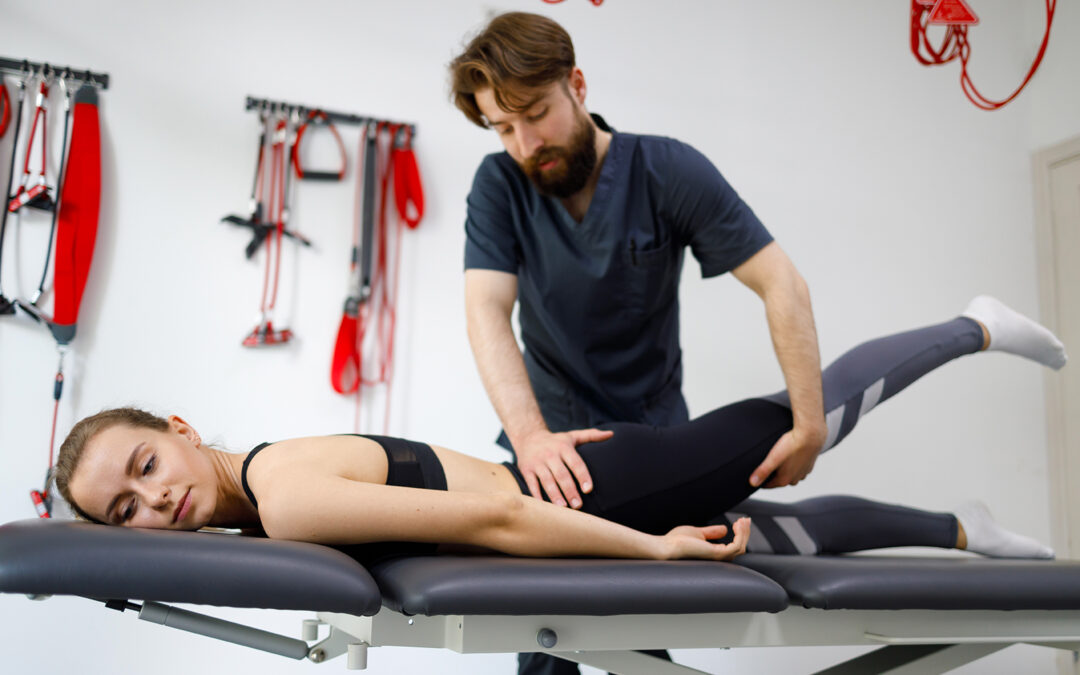
- Orthopedic Manual Physical Therapy – Uses hands-on techniques like joint mobilizations or soft tissue work to treat musculoskeletal issues.
- Performing Arts PT – Caters to the unique physical needs of dancers, musicians, and other artists prone to repetitive-use injuries.
- Spine Therapy – Specializes in managing spinal conditions like herniated discs or scoliosis through tailored exercise and manual therapy.
- Division I Sports PT – Works with collegiate-level athletes to prevent injury and optimize recovery in a competitive setting.
- Upper Extremity Athletic PT – Focuses on athletes who rely on arm, shoulder, or wrist performance (e.g., pitchers, quarterbacks, swimmers).
Local Expertise in Specialized Physical Therapy
In the Greater Rochester, NY area, Lattimore Physical Therapy stands out for its deep bench of specialists treating complex physical therapy disorders. With many of our staff members certified in Orthopedic Manual Physical Therapy, we offer advanced care to help patients of all ages and abilities regain strength, mobility, and confidence. From post-operative rehab in Pittsford to sports recovery in Geneseo, our team covers the region with expertise and compassion.
Shape your future in physical therapy by joining our team at Lattimore Physical Therapy
At Lattimore PT, we’re committed to fostering a team of dedicated professionals who are passionate about providing specialized care that makes a real impact. As one of the largest outpatient physical therapy providers in the Greater Rochester area, we offer opportunities to work in a wide variety of outpatient physical therapy specialties, including orthopaedics, sports rehab, geriatrics, women’s health, spine care, hand therapy, and outpatient neuro.
Joining our team means becoming part of a collaborative, patient-first environment that values continuing education, mentorship, and clinical excellence. We actively support therapists pursuing advanced certifications, including Orthopedic Manual Physical Therapy, held by over 30 of our staff members. Whether you’re early in your career or looking to grow within a specialty, you’ll have the opportunity to deepen your skills and help patients achieve their goals.
If you’re ready to make a meaningful impact in outpatient care and grow alongside a team of expert clinicians, consider joining us at Lattimore Physical Therapy — where your growth is our priority.
Check out our Careers page today for more information about available positions on our team.